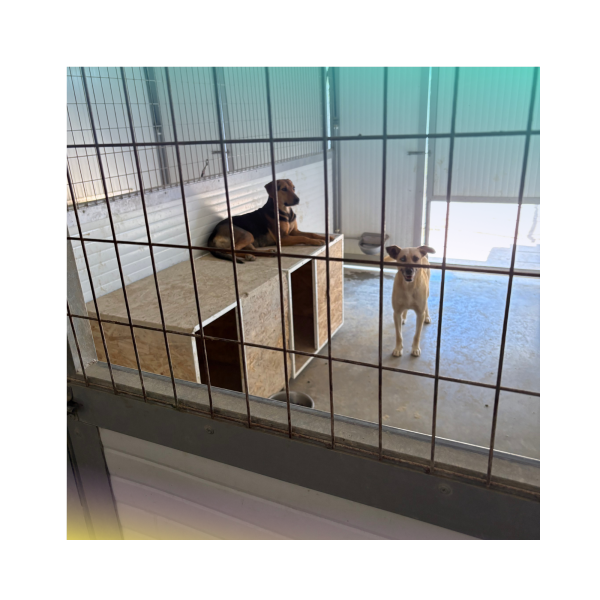
A gentle, supportive programme designed specifically for rescue dogs who are nervous, reactive, shut down or struggling to adjust.
We focus on helping your dog feel safe, settled and ready to build confidence through calm routines and scent?led activities that reduce stress and support emotional recovery.
This course is ideal for rescue dogs with unknown or difficult histories including trauma, who need a slower, kinder approach.
What Your Rescue Dog Will Gain
• More confidence in everyday life
• Better coping skills around triggers
• A calmer home environment
• Stronger trust and connection with you
• Predictable routines that help them feel secure
Who This Course Is For
• Newly adopted rescue dogs
• Dogs who freeze, hide, shut down or over?react
• Dogs scared of new places, people or handling
• Dogs with trauma, fear or unknown backgrounds
• Owners who feel unsure, overwhelmed or worried
Why Rescue Dogs Thrive Here
• Trauma aware, pressure free training
• Scentwork used to build safety and confidence
• Small, quiet groups
• Predictable structure that helps rescue dogs relax
• Clear, simple guidance for owners
Attributes
Fearful — many rescue dogs arrive unsure of people, places, or touch.
• Shutdown — a dog who copes by freezing, withdrawing, or going quiet.
• Hypervigilant — scanning, watching, anticipating threat.
• Under?socialised — limited exposure to normal life, people, or environments.
• Resilient — the ability to recover, even slowly, from stress or trauma.
• Curious — the spark that returns when safety is established.
• Bond?forming — rescue dogs often attach deeply once trust is earned.
Attributes of Rescue Work Itself
• Patient — progress is slow, steady, and never forced.
• Trauma?aware — understanding fear responses, shutdown, and triggers.
• Observant — noticing tiny signals that others miss.
• Gentle — soft movements, soft voice, soft expectations.
• Non?aversive — no pressure, no fear, no force.
• Emotionally intelligent — reading the dog’s emotional state, not just behaviour.
• Consistency — predictable routines that help dogs feel safe.
Emerging confidence — small steps forward, tiny breakthroughs.
• Trust?building — learning that humans can be safe.
• Engagement — choosing to interact instead of avoid.
• Play returning — a huge milestone for traumatised dogs.
• Attachment — forming secure bonds with their person.
Reviews
No reviews were found.